Why do pimples appear under the skin? How can they be treated?
Bu İçeriği Yapay Zekâ (AI) ile Özetleyin:
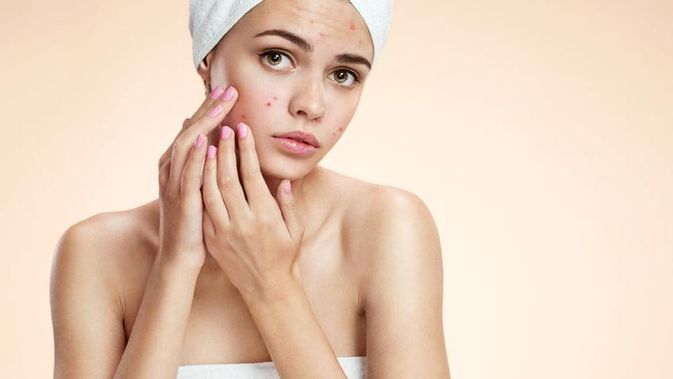
Subcutaneous acne , also known as nodules or cysts, is one of the most frustrating types of acne. It appears as hard, persistent bumps on the skin's surface, often painful to the touch, and without a white or blackhead. Unlike regular pimples, these lesions develop in deeper layers of the skin, and therefore may take longer to heal.
Subcutaneous acne essentially forms when a hair follicle or pore becomes clogged and inflamed with sebum (skin oil), dead skin cells, and bacteria in the deeper layers of the skin. Because there is no outlet to the surface, attempting to squeeze these pimples is absolutely undesirable, as it can spread the infection deeper, increase inflammation, and lead to permanent discoloration or scarring.
The most annoying thing about these pimples is that they can remain under the skin for weeks, sometimes even months, that they are painful, and that they create an aesthetically unpleasant appearance. Without the right intervention and care routine, it is quite difficult to deal with these stubborn lesions and ensure they heal without leaving scars.
In this detailed guide, we address the problem of subcutaneous acne in all its aspects. Starting with the causes of these pimples, we will examine every detail, from the correct treatment methods to prevent future breakouts and the role of targeted products like acne serums . Our goal is to provide you with a scientific and practical roadmap in your fight against this challenging skin problem.
Causes and Formation of Subcutaneous Acne
The formation of subcutaneous pimples is essentially an inflammatory process that begins with the blockage of a hair follicle (pore) in the deeper layers of the skin. Because this process occurs deeper than a normal pimple, it is more painful and more persistent.
The process begins when sebum, the skin's natural oil, accumulates inside the hair follicle along with dead skin cells, forming a plug. Because this blockage prevents hair from reaching the surface, it creates a perfect breeding ground for P. acnes bacteria, which are trapped within the pore and normally live on our skin.
The multiplication of bacteria activates the body's immune system. White blood cells sent to the area to fight this infection cause intense inflammation, redness, and swelling deep within the skin. As a result, a nodule or cyst forms that is painful to the touch, firm, and red, with no visible end.
The main factors that trigger this process include hormonal changes (such as puberty, menstruation, polycystic ovary syndrome), genetic predisposition , intense stress , inappropriate skincare products that clog pores (comedogenic), and in some individuals , dietary habits (high glycemic index foods, dairy products, etc.).
Subcutaneous Acne Symptoms and Diagnosis
The most distinctive feature of subcutaneous pimples is the absence of a squeezeable white or black "head" like normal pimples. Symptoms are usually felt and seen beneath the skin's surface, not on it.
The most common symptoms are:
-
A firm, painful lump, about the size of a pea or larger, felt under the skin.
-
A structure that is usually sensitive to touch, but sometimes also sensitive without being touched.
-
Significant redness and inflammation on and around the pimple.
-
It tends to remain under the skin for weeks, or even months, without healing.
Diagnosis is usually easily made through a physical examination by a dermatologist (skin disease specialist) . The doctor will diagnose the condition by looking at the appearance and depth of the lesions, whether they are painful, and the patient's history (how often they appear, how long they last, etc.).
If you frequently experience subcutaneous acne, it's important to consult a dermatologist to prevent the risk of permanent scarring, as this could be a sign of a more serious form of acne, such as nodulocystic acne.
Subcutaneous Acne Treatment: Home Remedies and Doctor's Recommendations
Treating subcutaneous acne requires patience and the right approach, as these lesions are located in the deep layers of the skin. The most important rule is never to squeeze or pop these pimples. This can spread the infection further, increase inflammation, and dramatically increase the risk of permanent discoloration or scarring. The goal of treatment is to reduce inflammation, help open pores, and support the skin's natural healing process.
Home Care Methods
Home remedies can often help pimples mature faster and reduce pain.
-
Warm Compress: Soak a clean cloth in warm (not boiling) water, wring out the excess, and place it on the pimple for 10-15 minutes several times a day. This can help the inflammation move to the surface and relieve pain.
-
Targeted Products: In this process, the products you apply to your skin are of great importance. Targeted drying products, especially those containing ingredients such as salicylic acid (BHA), benzoyl peroxide, or sulfur, can be used. In addition, a properly formulated product that focuses on soothing inflammation and strengthening the skin's barrier is also beneficial. Acne Serum When integrated into your care routine, this type of approach can support the healing process. Acne Serum When making your selection, it's important to look for ingredients that don't dry out the skin, but rather soothe it.
-
Keeping Skin Clean and Hydrated: Wash your face morning and evening with a gentle, non-comedogenic cleanser. Then, protect your skin's moisture barrier with a lightweight, non-comedogenic moisturizer.
Professional and Doctor's Recommendations
If subcutaneous acne lesions recur frequently, are very painful, or don't respond to home care, it's essential to consult a dermatologist to prevent the risk of permanent scarring. Your doctor may recommend the following treatments:
-
Topical (Applied to the skin) Prescription Medications: Retinoids (such as tretinoin), topical antibiotics, or stronger creams or gels like azelaic acid that help open pores and reduce inflammation.
-
Oral Medications: In severe and widespread cases, antibiotics, birth control pills (for hormonal acne), or the strongest option, medications like isotretinoin, may be prescribed.
-
Cortisone Injection: For a single, very large, painful, and inflamed cyst, your dermatologist may inject a diluted corticosteroid directly into the lesion. This procedure rapidly reduces inflammation and swelling within 24-48 hours, shrinking the cyst and relieving pain. While this is a quick solution, it should only be administered by a doctor.
Remember, the most effective and safest treatment plan is always created individually by a dermatologist who will assess your skin condition.
Tips for Preventing Subcutaneous Acne
Preventing subcutaneous acne is often much easier than treating it and is the best approach for your long-term skin health. The prevention process relies on a combination of a consistent skincare routine and healthy lifestyle habits. The goal is to minimize the underlying causes that lead to clogged pores and inflammation.
Here are the most effective tips to help you prevent subcutaneous acne breakouts:
1. Cleanse Your Skin Regularly and Properly: Wash your skin twice a day, morning and evening, with a gentle cleanser that matches your skin's pH balance. Make sure to cleanse your skin after sweating as well. Rubbing or over-washing can damage the skin's protective barrier, increasing irritation and triggering acne.
2. Avoid Pore-Clogging Products: Check the labels of all your skincare, makeup, and even hair products. Choose products that are labeled "non-comedogenic" ( meaning they don't clog pores) and "oil-free." Heavy oils or silicone-containing products, especially those applied to your hair, can clog pores, particularly in the forehead and temple areas, if they come into contact with your face.
3. Exfoliate Regularly One of the main causes of clogged pores is the accumulation of dead skin cells on the surface. Using oil-soluble exfoliants like salicylic acid (BHA) or gentle chemical exfoliants like glycolic acid (AHA) 1 to 3 times a week, suitable for your skin type, helps to deeply cleanse pores and remove dead cells.
4. Keep Your Skin Hydrated: It's a common misconception that oily, acne-prone skin doesn't need moisturizer. When your skin becomes excessively dry, it can produce even more oil (sebum) to compensate for the moisture loss, leading to pores becoming more easily clogged. Use a lightweight, water-based, and non-comedogenic moisturizer suitable for your skin type.
5. Keep Your Hands Away From Your Face We touch our faces countless times throughout the day without realizing it. Our hands carry bacteria and dirt. Touching your face, resting your chin on your hand, or picking at existing pimples can transfer these bacteria and dirt to your skin, leading to the formation of new pimples.
6. Adopt Healthy Lifestyle Habits : Our skin is a reflection of our overall health.
-
Balanced Diet: High glycemic index foods (sugary foods, white bread, etc.) and, in some people, dairy products can trigger acne. Adopt a balanced and anti-inflammatory diet.
-
Stress Management: Chronic stress increases cortisol, a hormone that triggers acne. Incorporate stress-reducing activities like exercise and meditation into your life.
-
Hygiene: Regularly clean your pillowcase, makeup brushes, and cell phone screen to prevent bacteria buildup on surfaces that come into contact with your skin.
Making these preventative steps a routine will be your most powerful weapon in your fight against subcutaneous acne.
Conclusion
Subcutaneous pimples , which form in the deep layers of the skin, are one of the most frustrating types of acne due to their painful and persistent nature. The golden rule in fighting these pimples is to be patient and never touch or try to squeeze them.
As we've seen in this guide, dealing with subcutaneous acne requires a two-pronged approach. While gentle at-home treatments to reduce inflammation and speed healing can be used for existing acne, and targeted products like acne serums can be employed, true success comes with a proactive prevention strategy that will prevent new ones from forming in the future.
Regular and proper skin cleansing, using pore-free products, a consistent skincare routine, and healthy lifestyle habits form the basis of keeping this problem under control.
Remember, isolated pimples under the skin can usually be managed at home. However, if this occurs frequently or is widespread, the best and safest way to prevent the risk of permanent discoloration and scarring is to consult a dermatologist (skin disease specialist) to create a professional treatment plan.
Frequently Asked Questions
How long does it take for subcutaneous acne to heal?
This varies depending on the size of the pimple and the level of inflammation. While a surface pimple may heal in a few days, subcutaneous pimples can remain under the skin for several weeks, or even sometimes a month or two . Proper care and absolutely avoiding squeezing are important to speed up the healing process. In very stubborn and painful cases, a cortisone injection administered by a dermatologist can significantly accelerate healing.
Why is squeezing subcutaneous pimples so bad?
Because these pimples don't have a head (or opening) to the surface, trying to squeeze them bursts the inflamed sac inside, spreading infection and bacteria deeper into the skin and to the sides . This can cause the pimple to grow larger, become more painful, and most importantly, dramatically increase the risk of leaving a permanent mark or pitted scar after it heals.
Do subcutaneous pimples only appear on my face?
No. While they are most common on the face (especially the chin, forehead, and cheeks), they can appear anywhere the skin has a high concentration of oil glands. The neck, chest, back, and shoulders are also frequent areas for subcutaneous acne.
Does stress really cause acne under the skin?
While not a direct cause, stress is a significant trigger . Intense stress increases the release of a stress hormone called cortisol in the body. Cortisol stimulates the skin's oil glands, causing them to produce more sebum (skin oil). This excess oil increases the likelihood of clogged pores, paving the way for the formation of subcutaneous acne.
Which ingredients are good for subcutaneous acne?
For at-home care, products containing salicylic acid (BHA) , an oil-soluble acid that can penetrate pores, are beneficial. Tea tree oil, known for its natural anti-inflammatory properties, can also be used targetedly. For more resistant cases, a dermatologist may recommend prescription products containing retinoids , which regulate skin cell renewal, or benzoyl peroxide, which kills bacteria.
Are subcutaneous pimples and cysts the same thing?
Although these terms are often used interchangeably in everyday language, they have subtle medical differences. A nodule is a hard, painful, and firm inflamed lump that forms under the skin. A cyst , similar to a nodule, forms under the skin but is usually larger, softer, and filled with pus. Both are severe forms of acne, carry a high risk of permanent scarring, and should always be treated by a dermatologist.