
The Unknown Benefits of Aloe Vera, the Herb of Immortality
Summarize this Content with AI:
What is Aloe Vera? This is the first question asked by those curious about the origins of this miraculous plant, which has been known as the "plant of immortality" for thousands of years.
The benefits of aloe vera cover a wide range, from our skin to our digestive system.
While most of us know it as a quick soothing agent for sunburn or a good moisturizer, this hardy succulent offers much more than these superficial uses.
With Polente Natural's holistic health philosophy inspired by nature, in this article we embark on a journey to discover the little-known aspects and true potential of this ancient source of healing, stretching from Ancient Egypt to modern laboratories.
What is Aloe Vera?
Aloe Vera, botanically known as Aloe barbadensis miller , is a species of succulent plant belonging to the lily family (Liliaceae). Although it is believed to originate from the Arabian Peninsula, it is now cultivated in hot and arid climates all over the world.
What makes it so special is the miraculous sap hidden within its thick, fleshy leaves. When you cut open an Aloe Vera leaf, you'll find three main layers:
-
Outer Bark (Rind): The hard, green outer layer that protects the plant.
-
Latex (Stem): Located just beneath the bark, this is a yellowish, sticky fluid containing a bitter component called "aloin." This part is generally known for its laxative effects and should be used with caution.
-
Inner Gel (Filet): This is the clear, jelly-like part located in the center of the leaf. This is the part we know as "Aloe Vera gel," which contains the majority of its healing properties. Although this gel is 99% water, the remaining 1% contains an incredibly rich cocktail of bioactive components.
This plant, which also inspires us at Polente Natural, has been used for medicinal purposes in various cultures for thousands of years, both topically (on the skin) and internally (by drinking).
Understanding the structure of this ancient plant is the first step in understanding why it is so valuable.
What is the nutritional value of Aloe Vera?
Aloe vera is called a "miracle plant" because of its high nutrient profile, found in just 1% of its components. This gel contains over 75 potentially active ingredients.
These components work together harmoniously in our bodies, like an orchestra, to support our health.
Here is a breakdown of this rich content:
-
Vitamins: It is rich in vitamins A (beta-carotene), C, and E, known for their antioxidant properties. It also contains vitamin B12, folic acid, and choline, which are critical for nervous system health.
-
Enzymes: Some enzymes, such as bradykinase, help reduce excessive inflammation when applied to the skin. Other enzymes, such as lipase and protease, break down food to aid digestion.
-
Minerals: It contains many essential minerals necessary for basic bodily functions, such as calcium, chromium, copper, selenium, magnesium, manganese, potassium, sodium, and zinc.
-
Polysaccharides (Sugars): One of the most important components of Aloe Vera is a long-chain polysaccharide called "acemannan." This component is known for its immune-boosting, antiviral, and cell-regenerating properties. The skin's ability to retain moisture is also due to this component.
-
Anthraquinones: Contains 12 anthraquinones, such as aloin and emodin, which are usually found in the latex of the plant. These have strong laxative effects.
-
Fatty Acids: Cholesterol, campesterol, It provides four plant-based steroids with anti-inflammatory properties, such as β- sitosterol and lupeol.
-
Amino Acids: Contains 20 of the 22 amino acids needed by the human body, and 7 of the 8 essential amino acids.
This incredible nutritional profile clearly demonstrates why Aloe Vera is much more than just a skin soothing agent.
What are the benefits of Aloe Vera?
The benefits of Aloe Vera become even more apparent after learning about its rich nutritional content, prompting a closer look at what these components can do for our bodies.
While most people know about its role in treating sunburn, the list of benefits of Aloe Vera is surprisingly long.
The answer to the question "What is Aloe Vera?" is updated at this point to "a holistic health supporter".
Here are some of the known and lesser-known benefits of Aloe Vera, supported by scientific studies:
1. A Moisturizing and Repair Reservoir for the Skin (Beyond the Known)
-
Deep Hydration: Aloe vera gel quickly penetrates the deep layers of the skin. Unlike many other moisturizers, it doesn't just form a layer on the surface; thanks to its polysaccharides, it locks moisture into the skin. This makes it an excellent moisturizer without leaving a greasy feeling.
-
Anti-Aging Power: Thanks to its vitamin C and E content, it is a powerful antioxidant. It reduces oxidative stress by fighting free radicals. More importantly, it can help increase collagen and elastin production by stimulating fibroblast cells. This means firmer, more supple, and younger-looking skin.
-
Acne and Blemish Fighter: Aloe vera's antibacterial and anti-inflammatory properties make it an ideal friend for acne-prone skin. Its salicylic acid helps gently cleanse pores, while reducing inflammation, helping to soothe pimples and lighten the appearance of scars.
-
Accelerating Wound Healing: This is its best-known benefit. In sunburns, minor cuts, or scrapes, Aloe Vera promotes cell regeneration (especially thanks to acetannan) and increases blood circulation in the area. It also has a soothing effect that reduces pain and redness.
2. Soothing the Digestive System (Its Little-Known Power)
-
Stomach-Friendly (Reflux and GERD): Aloe vera gel has alkalizing properties. By balancing stomach acid, it can help alleviate symptoms of heartburn, reflux (GERD), and indigestion. It provides a soothing coating to the esophagus and stomach lining.
-
Gut Flora Support: Aloe vera acts as a prebiotic, helping to nourish and multiply beneficial bacteria (probiotics) in the gut. This means a healthier gut flora and, consequently, a stronger immune system.
-
Irritable Bowel Syndrome (IBS): Studies suggest that, thanks to its anti-inflammatory properties, it may be helpful in reducing bloating, gas, and discomfort associated with IBS.
3. Strengthening the Immune System
Acemannan, which we mentioned earlier, activates macrophages, which are fundamental components of the immune system. These cells are responsible for destroying viruses, bacteria, and foreign invaders that enter the body. Regular and conscious consumption of Aloe Vera (in its oral form) can support the body's defense mechanism from within.
4. Oral and Dental Health
This is an often overlooked benefit. Aloe vera's antimicrobial and anti-inflammatory properties also make it valuable for oral health.
-
Gum inflammation (Gingivitis): Toothpastes or mouthwashes containing aloe vera can help reduce gum bleeding and inflammation.
-
Canker sores and mouth ulcers: Applying aloe vera gel directly to the sore can reduce pain and speed up the healing process.
5. Supporting Blood Sugar Management
There are promising studies, especially for patients with type 2 diabetes.
Some studies suggest that ingesting Aloe Vera gel may help improve insulin sensitivity and lower fasting blood sugar levels.
However, this should only be considered under the supervision of a doctor and in addition to existing treatments.
How to Use Aloe Vera Gel?
There are many ways to benefit from this miraculous plant. However, at Polente Natural, we always advocate for "conscious use".
Using the right methods maximizes the yield you get from your plant.
1. Topical (On the Skin) Use
-
Directly from the Plant: If you have an Aloe Vera plant at home, cut a mature leaf near the root. Holding the leaf upright, let the yellow latex sap drain for 10-15 minutes (this part can irritate the skin). Then wash the leaf, trim the thorns, and open the leaf lengthwise to scoop out the clear gel with a spoon. You can apply this fresh gel directly to your skin.
-
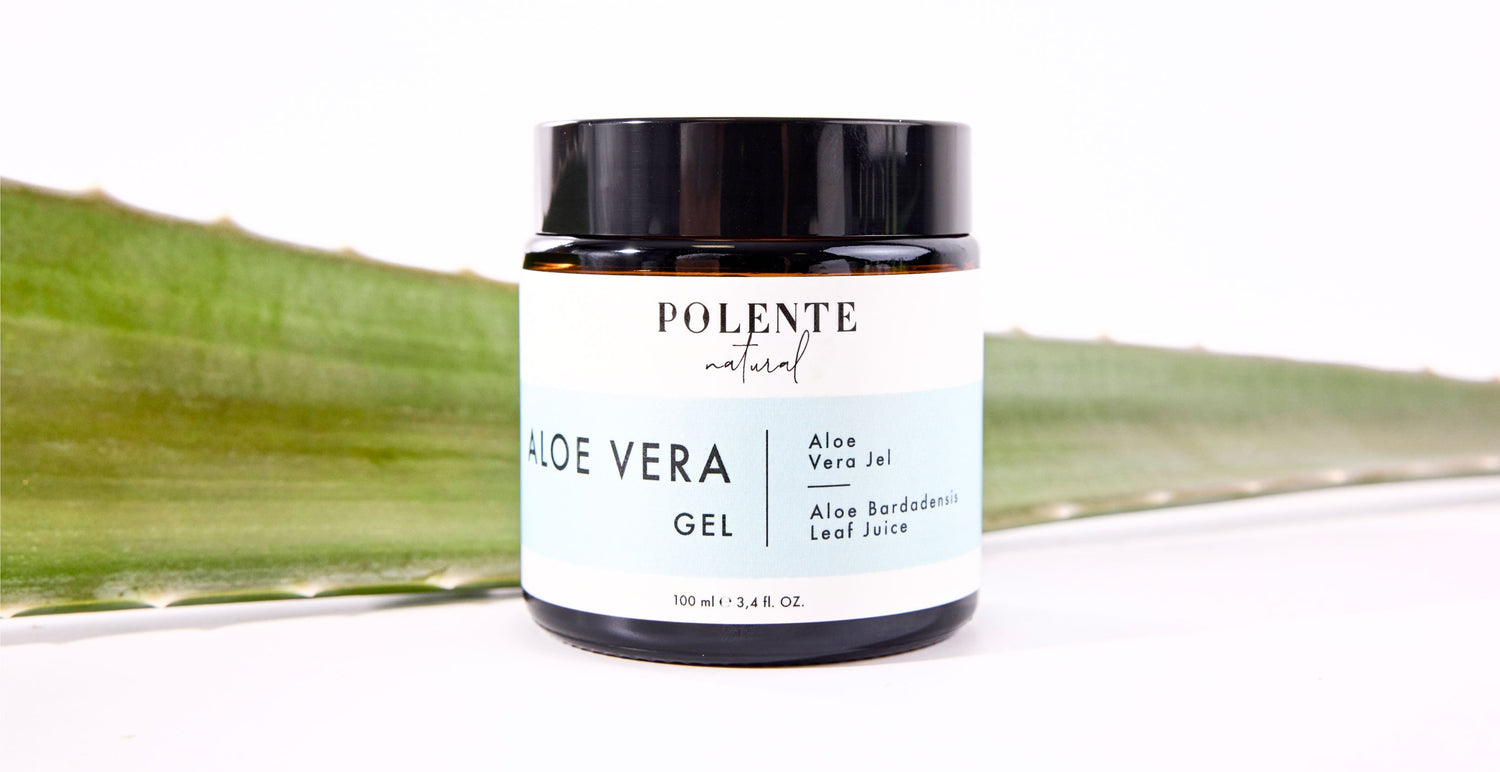
Ready-Made Gels: You can choose from ready-made gels available on the market. However, be sure to read the label. At Polente Natural, we recommend choosing products that contain 99% or 100% pure Aloe Vera gel and are free of alcohol, perfume, and unnecessary chemicals.
-
DIY Masks:
-
Moisturizing Mask: 1 tablespoon of Aloe Vera gel + 1 teaspoon of honey.
-
Brightening Mask: 1 tablespoon of Aloe Vera gel + 1 teaspoon of turmeric.
-
Hair Mask (for Dandruff): 3 tablespoons of Aloe Vera gel + a few drops of tea tree oil. Massage into your scalp and leave on for 30 minutes, then rinse.
-
2. Internal (Drinking) Use
Much more caution is needed in this matter.
-
Never consume the latex: If you intend to consume the gel obtained from the plant, you must ensure that you completely remove the yellow latex portion.
-
Ready-to-use Aloe Vera Juices: The market offers "drinkable," "aloin-free," or "purified" aloe vera juices. These products undergo special processes to remove aloin, which has a laxative effect.
-
How to Consume: You can drink these waters plain or add them to smoothies and juices. Their taste is quite neutral.
-
Dosage: Always start with a low dose (e.g., 1-2 tablespoons per day) and observe your body's response.
Does Aloe Vera Have Any Side Effects or Harms?
It's a common misconception to think that everything natural is completely "innocent" or "harmless." Aloe vera is a powerful plant, and its use without proper knowledge can carry certain risks. Understanding its power comes from knowing its potential risks.
-
Topical Risks (Skin): Although rare, it may cause allergic reactions (redness, itching, rash) in some people. Sensitivity to latex is particularly common. If using for the first time, perform a patch test on a small area of skin (e.g., inside of the wrist).
-
Internal Risks (Ingestion):
-
Aloin Danger: If unpurified (latex-containing) Aloe Vera is consumed, its strong laxative effect can cause severe abdominal cramps, diarrhea, and potassium loss. This is especially dangerous for people with heart and kidney problems.
-
Drug Interactions: Aloe vera may interact with certain medications. Those taking diabetes medications (which can lower blood sugar too much), blood thinners (which can increase the risk of bleeding), and diuretics (which can worsen potassium loss) should consult their doctor.
-
Who should not use it: Aloe Vera is not recommended for internal consumption by pregnant women, breastfeeding mothers, and children under 12 years of age. Those with bowel conditions such as Crohn's disease or ulcerative colitis should also avoid it.
-
Conclusion
What is Aloe Vera? We've explored this question in detail in this article, discovering that it's a rich treasure trove of bio-active substances hidden behind its spiny leaves.
Carrying millennia-old wisdom, the "plant of immortality" continues to retain its value even in the light of modern science.
Aloe vera does much more than just soothe sunburns; its benefits range from rejuvenating our skin and balancing our digestive system to boosting our immunity and protecting our oral health.
At Polente Natural, we respect these generous gifts of nature and believe in their power.
However, we know that this power reaches its true potential when combined with "conscious use".
Whether you extract fresh gel from your homegrown plant or opt for a product you trust for its purity, listen to your body when incorporating Aloe Vera into your health and beauty routine.
Remember, true and lasting health comes from being in harmony with nature.
Frequently Asked Questions About Aloe Vera
Is aloe vera gel edible?
Yes, but only with great caution. Only the clear gel inside the leaf is edible. The yellow latex (aloin) near the peel is bitter, has a laxative effect, and should not be consumed. The safest way to consume it is to choose purified commercial Aloe Vera juices labeled "drinkable" or "aloin-free".
Can aloe vera gel be applied to the face every day?
Yes, for most skin types. Aloe vera gel can be a great daily moisturizer that hydrates without making skin oily. However, as with any natural product, it's a good idea to do a patch test on a small area to see if you have any allergies.
How to extract gel from an Aloe Vera plant at home?
Cut off a mature outer leaf at the base. Hold the leaf upright for 10-15 minutes to allow the yellow latex to drain. Wash the leaf thoroughly. Trim any spiny edges. Using a knife, cut lengthwise along the flat surface of the leaf to lift the peel. Scoop out the clear gel inside with a spoon and store in an airtight container in the refrigerator (fresh gel will last up to 1 week).
What are the main benefits of drinking aloe vera juice?
The best-known internal benefit of aloe vera juice is its ability to soothe the digestive system. It can help balance stomach acid, alleviate symptoms of reflux and indigestion. It also provides hydration, increases antioxidant intake, and supports gut flora.
Which skin types is Aloe Vera best suited for?
One of the best things about Aloe Vera is that it suits almost all skin types. It gently moisturizes and soothes dry and sensitive skin. For oily and acne-prone skin, it reduces inflammation and doesn't clog pores (non-comedogenic). For mature skin, it benefits by supporting collagen production.
- Benefits of Pure Rose Oil, Fascinating With Its Pleasant Fragrance
- Benefits of Liquid Gold Jojoba Oil for Skin and Hair Care