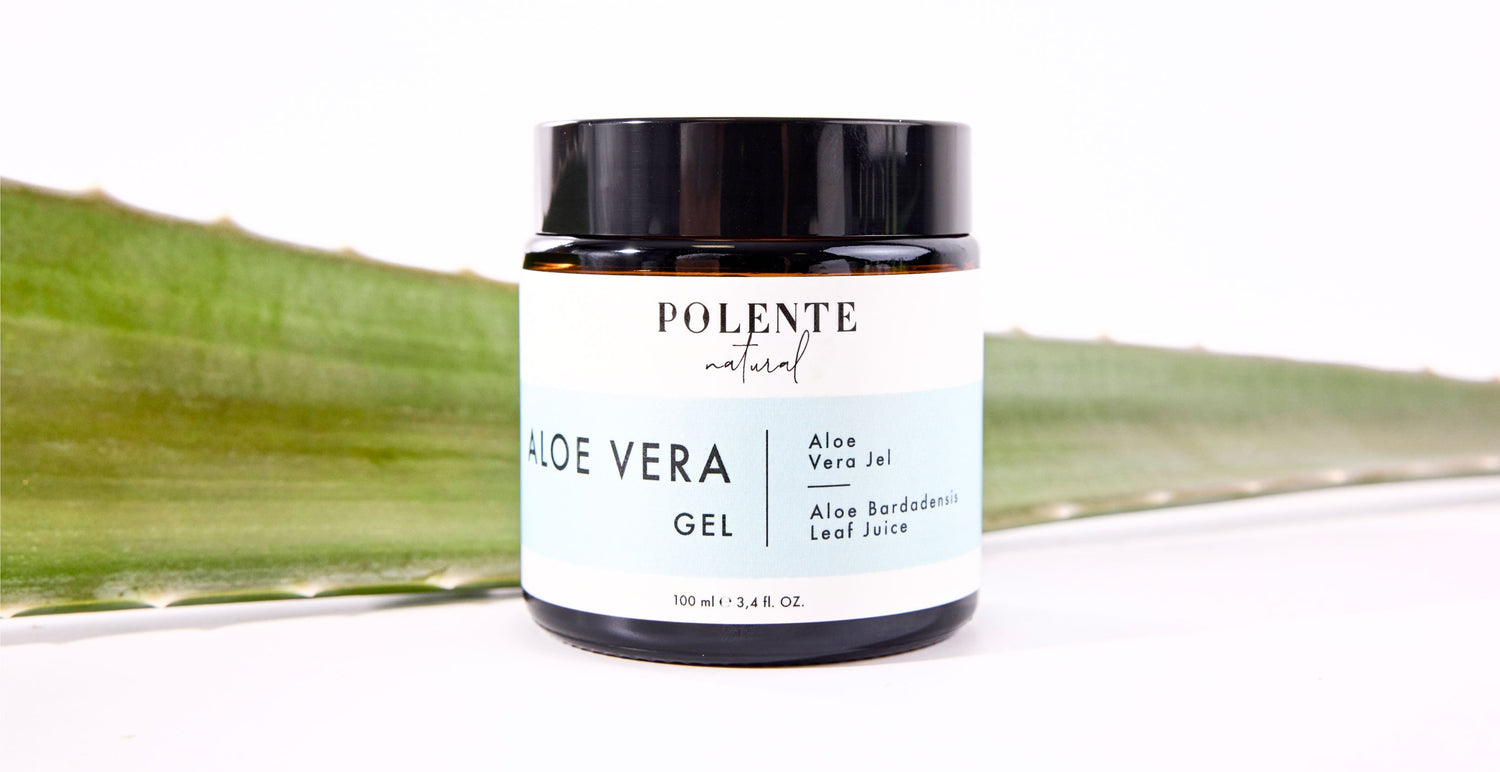

In Which Order Are Skin Care Products Applied?
Bu İçeriği Yapay Zekâ (AI) ile Özetleyin:
Applying skincare products in the correct order is the golden rule for getting the maximum benefit from your products. Choosing the right products is just as important as applying them to your skin in the correct order; this directly impacts the results you get.
The basic principle behind this application order is quite simple: "from thin to thick." That is, water-based and lightweight products should be applied first, and oil-based and denser products last. This allows each product to penetrate the skin most effectively without being hindered by the others.
Today, the increasing variety of products like serums, essences, and acids can make finding the right application order difficult. Using the wrong products can reduce their effectiveness, clog pores, or do more harm than good to your skin.
In this guide, we'll address the steps in a basic skincare routine in the correct order to clear up any confusion. Our goal is to provide a clear and understandable roadmap to help you get the most out of your skincare routine.
1. Makeup Remover Water
(Evening Routine)
The first and most important step in skincare, especially in the evenings, is to cleanse the skin of the day's dirt. This is the first step of what is often known as "double cleansing."
Makeup remover water or oil dissolves and removes waterproof makeup, dirt and oil that have accumulated on the skin throughout the day, and most importantly, sunscreen. This step is a preparation for a much more effective subsequent cleansing process.
2. Facial Cleansing Gel
(Morning and Evening Routine)
This is the step where the skin is truly cleansed. In the evenings, it removes any residue that the makeup remover dissolved, and in the mornings, it removes the oil and sweat that has accumulated overnight.
Using a gentle face wash suitable for your skin type ensures deep cleansing of pores without damaging the skin's natural moisture barrier. After this step, your skin is ready to receive other skincare products.
3. Peeling
(Evening Routine, 1-3 Times a Week)
Exfoliation is not a step that should be done every day . Once or a few times a week is sufficient, depending on your skin's needs.
This process helps to open pores by removing dead skin cells that accumulate on the skin's surface, resulting in a smoother and brighter complexion. It also allows for better absorption of products applied after exfoliation.
4. Tonic
(Morning and Evening Routine)
After cleansing, a toner is used to restore the skin's pH balance and prepare it for the next step.
Modern toners, instead of drying the skin, generally contain moisturizing and soothing ingredients. Toner also removes any remaining residue that may have been left on the skin after cleansing, creating the perfect base for serums and moisturizers.
5. Skin and Face Serums
(Morning and Evening Routine)
This is the "treatment" step tailored to your skin's specific needs. Serums contain concentrated and powerful active ingredients that focus on a particular problem (wrinkles, blemishes, dryness, acne, etc.).
Thanks to their thin, water-based texture, they penetrate the deeper layers of the skin quickly. If you are using more than one serum, you should always apply the thinnest one first. For example, vitamin C serum is usually preferred in the morning, while retinol-containing serums are used in the night routine.
6. Eye Cream
(Morning and Evening Routine)
The skin around the eyes is much thinner, more sensitive, and drier than other areas of the face. Therefore, it requires special care.
Eye creams are formulated specifically for this delicate area and should be applied before moisturizer. Applying with your ring finger using gentle, dabbing motions can also help improve blood circulation.
7. Moisturizer
(Morning and Evening Routine)
Moisturizer (Body Butter) is essential for all skin types, including oily skin. This step not only hydrates the skin but also acts as a crucial key.
Like the serum you've applied previously, it helps trap valuable, active ingredients in the skin and creates a protective barrier on the skin's surface. This prevents the skin from losing moisture and protects it against external factors.
8. Sunscreen
(Morning Routine ONLY)
This is the last and most important step in your morning skincare routine. It should be applied after your moisturizer has been absorbed and before you start applying makeup.
Sunscreen protects your skin from harmful UV rays, preventing sun damage, which is the number one cause of premature aging (wrinkles, spots), uneven skin tone, and most importantly, skin cancer. Even on cloudy days, using a broad-spectrum sunscreen with at least SPF 30 every day is the best thing you can do for your skin.
Why is the order of skincare products important?
The correct order of skincare products is vital for two main reasons: maximum absorption and product effectiveness . Each product requires the right foundation to penetrate your skin optimally and perform its function fully.
The most basic principle relates to the ability of products to penetrate the skin. Thin, water-based formulas (like toners and serums) should be applied before thicker, cream and oil-based formulas (moisturizers, sunscreens). If you apply a thick cream first, it will create a barrier on the skin, preventing the thinner serum applied afterwards from reaching the skin. This means your expensive serum will be wasted.
Furthermore, each product in the routine is designed to perform a specific task. Toner balances the skin after cleansing, preparing it for serum. Serum delivers targeted active ingredients to the deeper layers of the skin. Moisturizer provides its own moisture while also "locking in" the moisture and active ingredients that the serum has captured. Finally, sunscreen creates a protective shield on top of all this care. Disrupting this synergy reduces the effectiveness of the entire routine.
What happens if you don't pay attention to the order in which you use skincare products?
If you don't pay attention to the order in which you use your skincare products , you may not only waste your money and time, but you could also do more harm than good to your skin.
-
Products Become Ineffective: This is the most common result. Products that cannot penetrate your skin due to the wrong sequence cannot perform their function. This means you don't see any benefit from the products you use.
-
Skin problems can be triggered: Using thicker products before thinner ones can clog pores and lead to acne or blackheads. Also, some active ingredients, when used incorrectly, can interact with each other, causing skin irritation, redness, or sensitivity.
-
Skin Doesn't Get Enough Hydration and Protection: If you apply moisturizer before a hyaluronic acid serum, which draws moisture into the skin, you hinder the serum's moisturizing potential. Similarly, not applying sunscreen as the last step allows its protective layer to be broken down by other products, leaving your skin vulnerable to UV damage.
In short, the correct order is fundamental to effective skincare. Following this simple rule directly impacts the health and appearance of your skin.
Conclusion
The correct sequence for a skincare routine isn't a complicated list of rules, but a simple, logical principle: progressing from "fine to coarse." Understanding this principle is key to getting the most out of your products and seeing the return on your investment in skincare.
This guide covers the essential steps of a double cleanse to remove the day's dirt, followed by toning, targeted serums, moisturizing to protect and lock in moisture, and sunscreen during the day. Each step lays the groundwork for the next to be more effective.
Remember, using the most expensive or popular products alone isn't enough. True success in skincare comes from applying the right products at the right time, and most importantly, in the right order .
By paying attention to this simple sequence and consistently maintaining your routine, you'll notice your skin achieving a healthier, brighter, and more vibrant appearance.