
Relaxing Jaw Massage for Nighttime Teeth Grinding (Bruxism)
Bu İçeriği Yapay Zekâ (AI) ile Özetleyin:
Do you wake up in the morning feeling an indescribable fatigue in your jaw, a throbbing pain in your temples, or sensitivity in your teeth?
If your answer is "yes," you're not alone.
Bruxism (teeth clenching and grinding) , one of the most common stress responses of the modern age, is an action that often occurs during sleep, without us even being aware of it.
However, the price of teeth grinding isn't just pain. The constantly working jaw muscles (masseter), much like lifting weights in the gym, grow and harden over time.
This condition (hypertrophy) causes the facial features to widen, the oval shape to be distorted, the face to become more square, and the expression to become harsher.
The good news is that you don't have to carry this "concrete" burden on your jaw anymore.
Regular, relaxing jaw massages soothe the nervous system, relieve muscle spasms, and give you both more peaceful sleep and more refined facial features.
1. Why Do We Clench Our Teeth? (Masseter Muscle and Stress)
There are two main centers in our body where stress is physically stored: one is the hips, and the other is the jaw.
The saying "grit your teeth and be patient" is not without reason. Things we couldn't say during the day, anger or anxiety we suppressed, are released at night as pent-up energy in our jaw muscles.
The masseter muscle , the strongest muscle in the face, normally only works when eating, but in people with bruxism, it exerts enormous pressure (approximately 40-50 kg of force) throughout the night.
This overwork locks not only the jaw but also the temporalis muscles and neck muscles connected to it.
This chain reaction is precisely why you wake up with a headache in the morning.
2. Preparing for the Massage: Harness the Power of Aromatherapy
Massaging a tense and stiff muscle dryly can be painful and irritate the skin. Since our goal is relaxation, preparing the environment and the skin is critical.
-
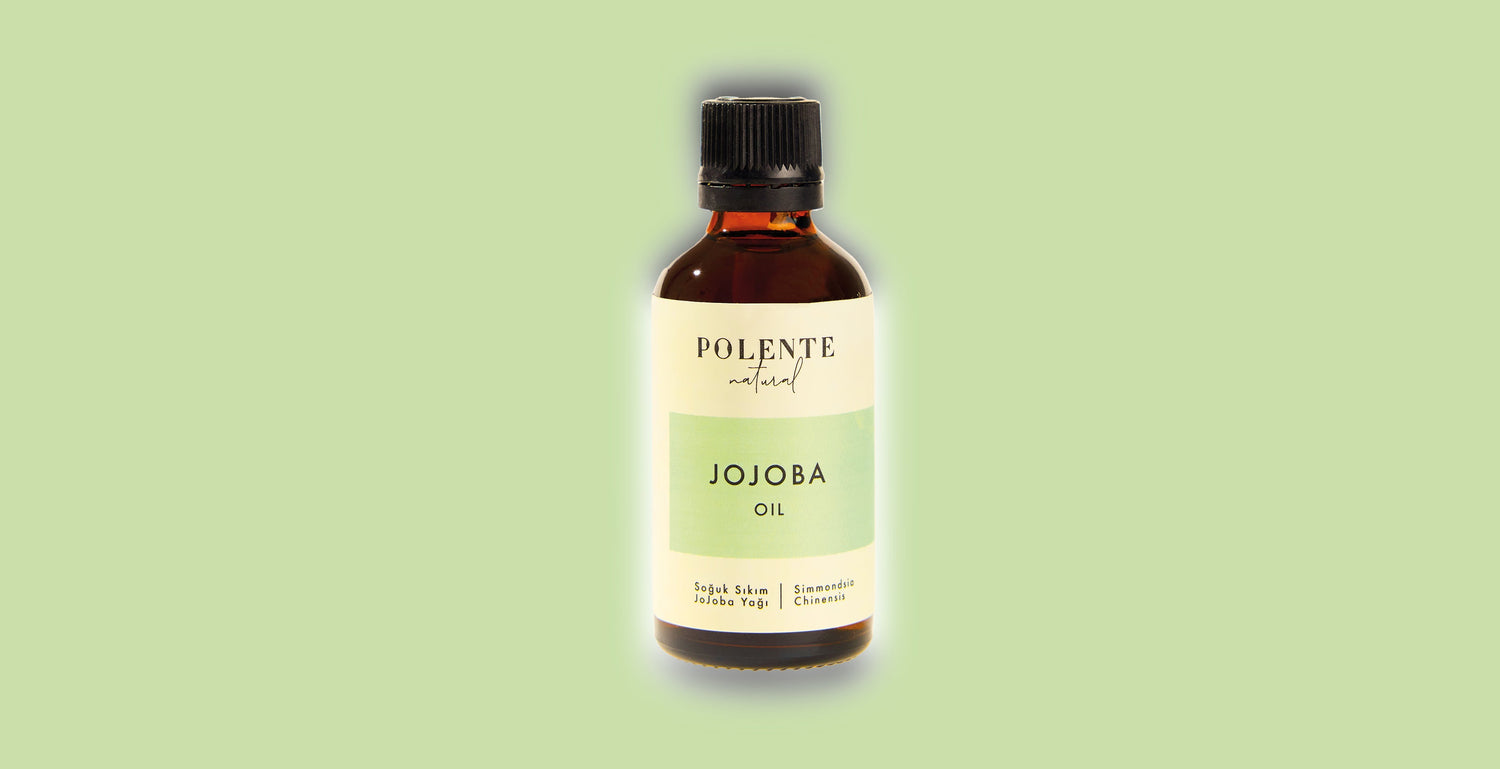
Choosing the Right Oil: The chin area can be prone to acne, so non-comedogenic (non-pore-clogging) carrier oils like Jojoba or Grapeseed oil should be preferred.
-
Relaxing Effect: Adding 1-2 drops of lavender (calming) or peppermint (natural pain reliever and muscle relaxant) essential oil to your carrier oil will double the effect of the massage.
3. Step-by-Step Jaw Relaxation and Massage Techniques
You can follow this routine every night just before going to sleep or in the morning while under the warm shower.
Technique 1: Masseter Kneading (Knuckle Massage)
Let's start by unraveling the biggest knot.
-
How to do it: Make fists with your hands. Place the knuckles of your index and middle fingers just above your jawbone, in line with your earlobe. Locate the firm muscle that swells under your hand when you gently clench your teeth.
-
Movement: Apply pressure to that tough muscle using your fists in circular motions. A feeling between pain and relief ("sweet sting") is normal. Squeeze the muscle for 30 seconds.
Technique 2: Temporal Release
If clenching your jaw causes headaches, the culprit is the fan-shaped muscle in your temples.
-
How to do it: Place your fingertips on your temples, just above your hairline.
-
Movement: Massage with upward and backward circular motions. Gently opening and closing your mouth during this process will help the muscles relax more deeply.
Technique 3: Behind the Ear and Neck Connection
The jaw muscles are attached to the neck from behind the ear.
-
How to do it: Place your thumb under your jawbone and your index finger on top of your jawbone (like a hook).
-
Movement: Perform a "sweeping" and squeezing motion along the bony line from the middle of your chin towards your ears. When you reach behind your ears, use your fingers to move down your neck to drain the lymph.
Technique 4: The Big "Ah" Yawn
Manually stretching the muscle relieves the spasm.
-
How to do it: Place your tongue against the roof of your mouth, behind your front teeth. While your tongue is there, slowly open your mouth as wide as you can (as if saying "Ah").
-
Repeat: Hold this position for 5 seconds and close. Repeat 10 times.
4. Holistic Approach: The Relationship Between Chin, Neck, and Posture
Focusing solely on the jaw might put out the fire, but it won't extinguish the spark. The temporomandibular joint (TMJ) is directly affected by spinal posture.
If you spend all day looking down at your phone ("Tech Neck") or keep your shoulders close to your ears, your neck muscles will shorten.
Shortened neck muscles pull the lower jaw backward, causing the teeth to close incorrectly and consequently leading to clenching.
In other words , your jaw can't fully relax until your posture improves.
Conclusion

Chin massage is a wonderful ritual to end the day and send the message to the body, "You are safe now, you don't need to fight anymore."
However, if you have a chronic teeth grinding problem, external massage alone may not be sufficient.
It's necessary to radically calm the nervous system, find the correct posture, and leave the day's stress behind on the mat, not in bed.
Polente Natural guides you through this process with expert instructors to help you address it holistically. Our "prescription" classes for those who suffer from teeth grinding are as follows:
Suggested Courses
1. FOR JAW AND FACIAL RELAXATION (Skin Coach) To release tense muscles using professional techniques:
-
“Desk Face: Live Lesson on Resolving Jaw and Temple Clenching” (This lesson is specifically designed for teeth clenching sufferers)
-
"Awareness-based exercises that reduce expression wrinkles"
2. FOR POSTURE AND NECK (Pilates) To stretch the neck muscles that tighten the jaw:
-
"Posture correction mini series for the neck-upper back-chin line" (For those who want to get to the root cause)
3. FOR SLEEP AND THE NERVOUS SYSTEM (Yoga & Aromatherapy) To remove stress from your mind before it affects your teeth:
-
“Sleep hygiene: short bursts of sleep + olfactory anchor to soothe the nervous system in the evening”
-
“Aromatherapy to the skin barrier: safe dilution & choosing the right carrier” (Learn how to prepare your massage oil)
Waking up pain-free in the mornings and having smoother facial contours is within your reach. Learn to relax with Polente Natural expertise.
Frequently Asked Questions
1. Will jaw massage slim my face?
Yes, it indirectly slims the face. When the masseter muscle, which has grown excessively (hypertrophied) due to teeth grinding, is relaxed and returns to its normal size through massage, that wide and square appearance of the face decreases. The facial features begin to look thinner and more oval.
2. Is it normal to experience pain during a massage?
Because the jaw muscles are very strong, "trigger points" (muscle knots) can form on them. It's normal to feel a "pleasant ache" while massaging, and this indicates the muscle is loosening. However, if there is a sharp, stabbing, or unbearable pain, you should reduce the pressure.
3. I use a dental splint, should I still massage my teeth?
Absolutely. Night guards only protect your teeth from friction; they don't prevent muscle tension. While the guard protects your teeth, the massage treats your muscles. Together, they provide excellent protection.
4. Is it a substitute for masseter botox?
Botox temporarily paralyzes the muscle, stopping its function. Massage, on the other hand, naturally relaxes the muscle. Regular and disciplined massage (supported by posture exercises) can be a natural and sustainable alternative to Botox in mild to moderate cases.