
What are essential oils? What are their benefits?
Summarize this Content with AI:
What is an Essential Oil? Essential oils are pure and concentrated essences hidden in the roots, leaves, flowers, and barks of plants, one of nature's most precious gifts to humanity for thousands of years.
Although known for their pleasant aromas, the power of these oils goes far beyond their scent. Filled with potent compounds that support both mental and physical health, these natural elixirs offer countless ways to relieve modern life's stress, boost our energy, and enhance our overall well-being.
So, what exactly are essential oils, also known as the "spirit" of plants, and what benefits can they bring to our lives?
Let's step into this fascinating world of aromatherapy together.
Mental and Emotional Benefits:
One of the most well-known effects of essential oils is that their aromas directly impact the limbic system, the emotional center of the brain.
This allows them to create rapid and powerful changes in our mood.
-
Reducing Stress and Anxiety: Essential oils like lavender, bergamot, chamomile, and ylang-ylang are known for their calming properties. A few drops of lavender oil added to your diffuser after a busy day can soothe your nervous system, creating an instant feeling of relaxation.
-
Improving Sleep Quality: If you suffer from insomnia or poor sleep quality, oils like lavender and cedarwood can help. Dropping a single drop on your pillow before bed or diffusing it in your room can facilitate a deeper, more uninterrupted sleep.
-
Improving Mood and Providing Energy: Citrus oils such as lemon, orange, and grapefruit are known for their invigorating and energizing effects. If you feel tired in the mornings, inhaling peppermint or lemon oil can clear your mind and help you start the day with more energy.
-
Strengthening Focus and Concentration: Oils like rosemary, peppermint, and eucalyptus enhance mental clarity, improving performance in tasks requiring focus or during studying. A small diffuser on your study desk can help you concentrate.
Physical Benefits:
What is an Essential Oil? Another answer to this question is that they are a collection of natural compounds that, when applied correctly to the skin or inhaled, exhibit many positive effects on the body.
-
Supporting Skin Health: Tea tree oil is highly effective in combating acne and breakouts due to its antibacterial properties. Geranium and rose oil help improve skin elasticity, while lavender oil can accelerate the healing process of small burns and cuts.
-
Relieving Pain: Peppermint oil can be applied to the temples to alleviate headaches (diluted with a carrier oil). Rosemary and ginger oils can be added to massage oils prepared for muscle and joint pain to provide relief.
-
Relieving Respiratory Passages: Eucalyptus, peppermint, and pine oils are effective in clearing nasal congestion and promoting easier breathing. Especially during colds, inhaling the steam from a few drops added to hot water can refresh the respiratory passages.
-
Strengthening the Immune System: Oils like lemon, tea tree, and thyme, due to their antimicrobial properties, can help protect the body against illnesses and support the immune system.
Popular Essential Oils and Their Specific Benefits
Each essential oil has a unique chemical structure and, consequently, different benefits. Here are some of the most popular ones:
-
Lavender Oil: Known as the "Swiss Army knife of essential oils." It is versatile with calming, sleep-inducing, skin-regenerating, and pain-relieving properties.
-
Peppermint Oil: Energizes, alleviates headaches, aids digestion, and freshens breathing.
-
Lemon Oil: Invigorating, mood-lifting, a natural cleanser, and an immune booster.
-
Tea Tree Oil: Due to its powerful antibacterial and antifungal properties, it is especially used for skin problems like acne, pimples, and fungal infections.
-
Eucalyptus Oil: Clears respiratory passages, soothes coughs, and provides mental clarity.
-
Rosemary Oil: Enhances memory and focus, is effective against hair loss, and stimulates blood circulation.
How to Use Essential Oils?
After learning What is an Essential Oil?, the most important step is knowing how to use these oils safely and effectively. Here are the most common methods of use:
-
Aromatic (Inhalation): This is the most common method.
-
Diffuser: You can add a few drops of oil to the water reservoir of the device to disperse the scent into the environment.
-
Oil Burner: Ceramic vessels with a candle placed at the bottom and oil dropped into the water at the top.
-
Direct Inhalation: You can get an immediate effect by taking a few deep breaths from a tissue or directly from the bottle.
-
-
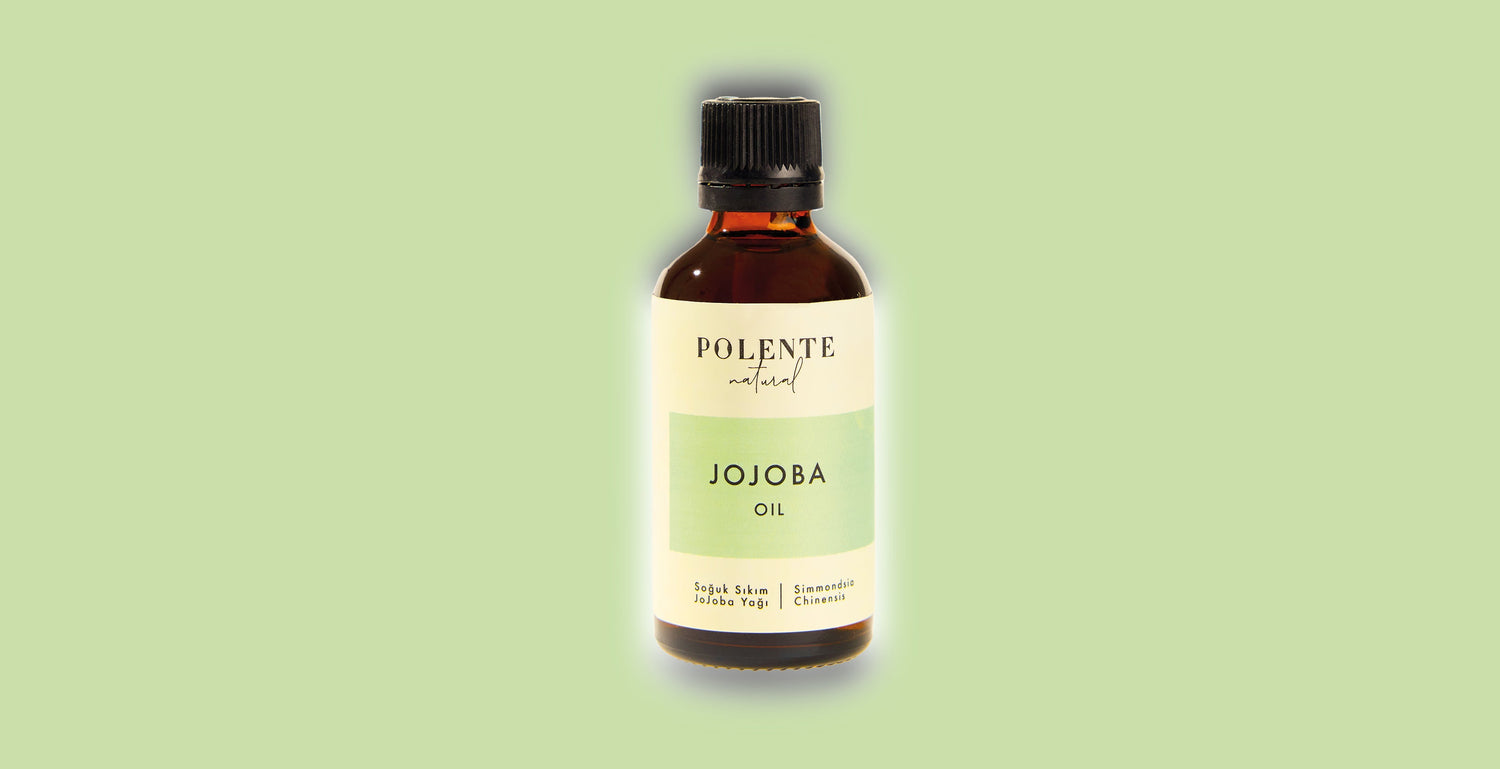
Topical (Skin Application): Essential oils are highly concentrated and should not be applied directly to the skin. They must be diluted with a carrier oil such as almond oil, jojoba oil, or coconut oil. The general ratio is 2-3 drops of essential oil to 10 ml of carrier oil. You can use this mixture by massaging it, applying it to painful areas, or adding it to your skincare creams.
-
Bath: After filling your bathtub with warm water, you can add 5-10 drops of essential oil mixed with some Epsom salts or milk to the water for a relaxing bath experience.
Precautions When Using Essential Oils
Although essential oils are natural, they are very potent and must be used carefully.
-
Never Apply Directly to the Skin: Always dilute with a carrier oil to prevent irritation and allergic reactions.
-
Do Not Ingest Orally: Absolutely do not swallow essential oils without the advice of a doctor or an expert aromatherapist.
-
Choose Quality Oils: Use products that are 100% pure, therapeutic grade, and from reliable brands.
-
Pregnant Women, Children, and Pets: Some oils may be contraindicated for these groups. Always consult an expert before use.
-
Keep Away from Eyes and Surrounding Areas: In case of eye contact, clean with a carrier oil (olive oil, almond oil, etc.), not water.
Conclusion
The answer to What is an Essential Oil? is, in short, a healing key offered to us by nature. They can be our sanctuary in stressful moments, our support when our energy is low, and a natural aid for physical discomforts.
From the calmness of lavender to the freshness of peppermint, each oil offers its unique benefits. When incorporating essential oils into your life, you can safely enjoy this aromatic journey by considering their powerful effects and correct usage methods.
With correct information and conscious use, you can improve your quality of life by discovering the great power in these small bottles.
Frequently Asked Questions
-
Can every essential oil be applied to the skin? No. Essential oils must always be diluted with a carrier oil like almond oil or jojoba oil before being applied to the skin. Otherwise, they can cause skin irritation.
-
Do essential oils have an expiration date? Yes. Citrus oils, in particular, tend to spoil more quickly (approximately 1-2 years). Other oils can last 3-5 years or longer under proper storage conditions (away from sunlight, cool, and sealed).
-
How can I use essential oils if I don't have a diffuser? You can add a few drops to a bowl of hot water and inhale the steam, drop them on a tissue and sniff, or mix them with a carrier oil and apply to your wrists.
-
What does "therapeutic grade" mean? This term indicates that the oil is 100% pure, unadulterated, and obtained from the highest quality plant using correct methods. Although often a marketing term, it refers to the purity and quality of the oil.