
What is Lymphatic Drainage and How is it Performed? (A Guide for Facial Swelling and Edema)
Bu İçeriği Yapay Zekâ (AI) ile Özetleyin:
When you look in the mirror in the morning, you're greeted by a puffy face, prominent under-eye bags, and that dull, tired expression on your skin...
This scenario is familiar to most of us. We tend to accept this bloating as "normal" after eating a salty meal, getting a bad night's sleep, or having a stressful day.
However, the real culprit is the lymphatic system, often one of the most overlooked systems in our body: a "sluggish" or "stagnant" system.
The good news is that we have a gentle yet incredibly powerful self-care technique to awaken this system and instantly give the skin a boost of vitality, firmness, and radiance: Lymphatic Drainage Massage.
This isn't a harsh, muscle-crushing massage; it's a meditative practice that, with a feather-light, rhythmic touch, opens the body's natural detoxification pathways.
In this guide, we'll explore step-by-step what the lymphatic system is, why it gets so easily clogged in modern life, and most importantly, how to safely perform lymphatic drainage at home to say goodbye to facial edema.
What is the Lymphatic System? The Body's Silent Detox Network
Our bodies have a second circulatory system that works parallel to the blood circulatory system: the lymphatic system. You can think of it as the body's "waste collection" and "immune" network. This complex network transports a fluid called lymph fluid through the vessels.
This fluid collects waste, toxins, excess fluid, and foreign invaders (bacteria, viruses, etc.) from the intercellular space. It then transports this waste-laden fluid to filtering stations called "lymph nodes".
These nodes (concentrated in areas such as the neck, armpits, and groin) filter harmful substances, and the purified fluid returns to the bloodstream.
However, unlike our circulatory system, the lymphatic system does not have a "pump" (like the heart). The movement of lymph fluid is entirely dependent on our breathing, muscle contractions, and manual stimulation.
So, why does the lymphatic system become blocked or slow down? Modern lifestyle is the biggest enemy of our lymphatic system:
-
Inactivity: Sitting at a desk for hours on end, in particular, hinders the lymphatic pump's function.
-
Stress: Chronic stress keeps the nervous system in "fight or flight" mode, which slows down the body's detoxification and repair processes (including lymphatic flow).
-
Insufficient Water Intake: Lymph fluid needs water to remain fluid.
-
Sleeping Position: Sometimes, simply sleeping on your stomach or remaining immobile throughout the night can lead to morning puffiness.
What is Lymphatic Drainage Massage?
Manual Lymphatic Drainage (MLD) is a highly specific, rhythmic, and gentle massage technique designed to accelerate the flow of lymphatic fluid and direct it correctly to the lymph nodes (waste filtering stations).
The biggest mistake here is confusing this massage with deep tissue massage. The purpose of lymphatic drainage is not to reach the muscles.
Most lymphatic vessels are located very superficially, just beneath the skin. Therefore, the massage needs to be "feather-light."
The goal is to gently pull and release the skin (a pumping motion) to move the fluid underneath. Applying excessive pressure can compress these delicate vessels and stop the flow.
What are the benefits of lymphatic drainage for the face?
When you incorporate this gentle technique into your routine, the benefits go beyond just reducing bloating:
-
Instant Swelling Reduction (Detox Effect): This is the most noticeable and immediate result. Under-eye bags, puffy cheeks, and a less defined jawline quickly return to normal as stagnant fluid is removed. Facial features become sharper and more defined.
-
A Brighter, More Vibrant Skin Tone: Removing toxins and waste from the area makes room for fresh, oxygen- and nutrient-rich blood to reach the skin cells. This instantly gives the skin a healthy "glow."
-
Support for Acne and Blemish Appearance: Acne is essentially a condition of inflammation and congestion. Lymphatic drainage helps gently clear inflammatory fluid and congestion from the affected area, which can soothe acne-prone skin and accelerate the healing process.
-
Calming the Nervous System: The slow, rhythmic, and meditative nature of the technique directly affects the nervous system. It shifts the body from a sympathetic (stressed) mode to a parasympathetic (rest and digest) mode. This is a "reset" key not just for your skin, but for your entire body.
How to Perform Facial Lymphatic Drainage at Home? (Step-by-Step Beginner's Guide)
Adding this practice to your routine is very easy. You just need to remember 3 basic rules:
Rule 1: Preparation and Lubrication (Choosing the Right Lubricant)
Start with clean skin and clean hands. The most critical point: Never tug or tug at your skin! This can damage sensitive skin.
You need a product that will allow your hands to glide gently over the surface of your skin, but won't be quickly absorbed and become "sticky."
Polente Natural Product Recommendation
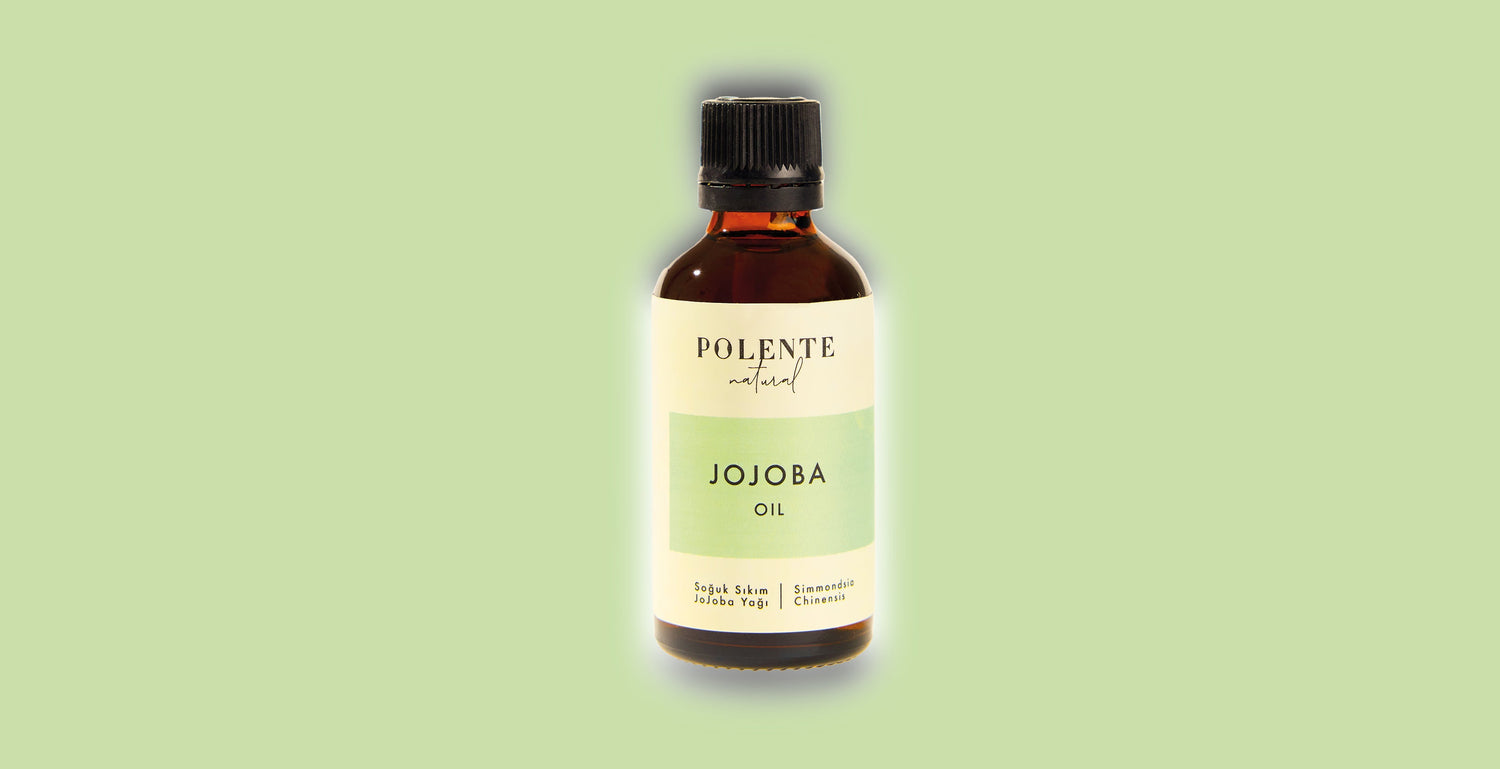
A high-quality carrier oil, such as Jojoba Oil , which has a structure very similar to skin sebum and does not clog pores, or Rosehip Seed Oil , which is restorative and rich in antioxidants, is ideal for this massage.
Take a sufficient amount of oil (about 4-5 drops) into your palm, warm it, and gently apply it to your entire face and neck using light pressure.
Rule 2: Pressure Level (Feather-Light Touch)
To reiterate: Don't press too hard. Your pressure level should not exceed the force required to slide a piece of paper across a table.
You should feel like you're gently stretching and releasing your skin, without tensing it.
Rule 3: Flow Direction (Activating Drainage Points)
All the lymphatic fluid in the face eventually drains down the sides of the neck to the main lymph nodes located just above the collarbones (terminus). Therefore, we should begin the massage by opening these "main drainage gates."
-
Activation: Place your index and middle fingers in the hollow just above your collarbone (at the base of your neck). Gently press and release (pump) 5-7 times.
-
Apply the same pumping motion just in front of your ears and behind your earlobes (where your jawbone ends). Now the doors are open.
Basic Drainage Movements (Sample Flow): Repeat each movement 3-5 times, using a feather-light motion.
-
Neck (Opening the Exit): Gently "sweep" your hands down the sides of your neck, starting behind your ears, towards your collarbone.
-
Jawline: With your thumbs under your chin and your index fingers above your jawline (L shape), apply the liquid starting from the middle of your chin and moving towards the area under your earlobe.
-
Cheeks: Gently draw your fingertips (or the flat surface of your hand) from the sides of your nose toward the front of your ears.
-
Under the eyes: Using your ring fingers (they apply the least pressure), gently push the liquid starting from the inner corner of your eye, following the bone under your eye towards your temples.
-
Forehead: Place your fingers in the center of your forehead and sweep horizontally towards your temples.
-
Final (Drainage): Now it's time to drain all the fluid we've collected. Place your hands on your temples and finish the massage by sweeping down from the front of your ears, along the sides of your neck, to your collarbones, in a single fluid motion.
Tips for Improving Lymphatic Drainage Results
-
Water, water, water: Be sure to drink a large glass of warm water after your massage. This helps the system eliminate waste products from the body (through urine).
-
Movement: Even short walks or stretching during the day naturally activate the lymphatic system.
-
Deep Breathing: Diaphragmatic breathing (breathing deeply into your abdomen) is the most powerful internal pump for activating lymphatic flow.
Result: Transform Your Morning Ritual
Lymphatic drainage is not just an aesthetic "swelling reduction" technique.
It's a powerful boost to your body's natural detoxification mechanisms, a meditative five minutes dedicated to yourself, and a conscious touch that soothes your nervous system.
When you make this practice a regular occurrence, you'll notice that your skin not only looks less puffy, but also brighter, healthier, and more vibrant.
This guide has given you the basics of 'what' and 'how' to do it. However, turning this technique into a quick, effective, and safe daily habit, especially in the mornings, may require expert guidance.
To permanently say goodbye to edema and puffiness on your face, you can start your day fresh by attending our "5-Minute Morning Lymphatic Drainage - Swelling & Edema Protocol" class prepared by our Polente Natural Skin Coach.
Frequently Asked Questions (FAQ)
How often should lymphatic drainage be performed?
Consistency is key for best results. Ideally, you should dedicate 5 minutes once a day, especially in the mornings, as part of your skincare routine.
Would a Gua Sha or Face Roller work for this?
Absolutely. Tools like Gua Sha stones or Face Rollers are essentially used to apply lymphatic drainage principles. As long as you follow the same "feather-lightness" and "correct direction" rules described above, these tools can enhance the effectiveness of the massage.
Who should not undergo lymphatic drainage?
Although generally a very safe technique, individuals with active infections (sinusitis, fever, etc.), heart failure, kidney problems, or blood clotting disorders should consult their doctor before performing this massage. Do not apply pressure to active, inflamed pimples.
When will I see results?
This is the best part of lymphatic drainage: the reduction in puffiness and the sharpening of facial contours are usually noticeable immediately , as soon as the massage is finished. Skin radiance and other benefits appear with regular application.