
What are the Benefits of Ylang Ylang Essential Oil and How is it Used?
Bu İçeriği Yapay Zekâ (AI) ile Özetleyin:
In the world of natural skincare and aromatherapy, some plants have become legendary not only for their scents but also for the healing they offer.
Ylang Ylang, known as the "flower of flowers," is precisely one such unique wonder of nature that fits this description. Famous for its sweet, exotic, and captivating fragrance, this oil has been used for centuries to restore both emotional balance and beautify the skin.
So, what exactly is Ylang Ylang essential oil, and how can you incorporate it into your beauty rituals? Let's take a closer look at this delicate miracle of nature.
What is Ylang Ylang Flower and Essential Oil?
Ylang Ylang (Cananga odorata) is a tropical tree native to Southeast Asia, particularly the Philippines and Indonesia.
The oil obtained from the bright yellow, star-shaped, delicate flowers of this tree through steam distillation is called Ylang Ylang essential oil.
One of the most valuable ingredients in the perfume industry, this oil is also one of the signature notes in the famous Chanel No. 5 perfume.
However, Ylang Ylang does more than just smell good; thanks to its rich bioactive compounds, it stands out as a powerful therapeutic agent in skincare and aromatherapy.
What are the Benefits of Ylang Ylang Essential Oil?
Ylang Ylang oil is a versatile oil that addresses holistic health. It can simultaneously affect both your physical appearance and your mood.
What are the Benefits of Ylang Ylang Oil for the Skin?
The greatest strength of Ylang Ylang essential oil in skincare comes from its balancing property:
-
Balances Sebum: Helps to balance the skin's oil (sebum) production. This feature makes it an excellent aid for both dry and oily/combination skin.
-
Anti-Aging Effect: Thanks to its antioxidant properties, it fights free radicals, helps reduce the appearance of fine lines, and supports skin elasticity.
-
Lively and Radiant Appearance: Revitalizes dull and tired skin, adding a natural glow.
-
Soothing: Helps to calm sensitized skin affected by environmental factors.
The Scientifically Explained Mechanism of Action of Ylang-Ylang Essential Oil
The relaxing effect of Ylang Ylang oil is not just a belief, but a scientific fact. Components such as Linalool, Germacrene D, and Beta-Caryophyllene, present in high concentrations in the oil, reach the brain's limbic system directly through our sense of smell (olfactory system).
Scientific research indicates that inhaling Ylang Ylang reduces cortisol levels (a stress hormone), slows heart rate, and balances the autonomic nervous system, providing deep relaxation.
How is Ylang-Ylang Essential Oil Used in Balancing Feminine Energy?
In aromatherapy, Ylang Ylang is associated with the heart chakra and is known as the oil of "self-love." Its sweet and floral notes awaken feminine energy (yin), increase creativity, and help resolve emotional blockages.
Traditionally known for its aphrodisiac effect, you can use this oil to elevate your frequency by diffusing it in a diffuser during meditation or by mixing it with a carrier oil and massaging it onto your pulse points.
How to Use Ylang Ylang Oil?

Essential oils are highly concentrated, so their correct use is crucial. You can incorporate Ylang Ylang oil into your routine using the following methods:
-
Aromatherapy (Diffuser/Oil Burner): Add 3-4 drops to the water in your diffuser to change the energy of your living space and alleviate stress.
-
Skincare: Add 1-2 drops to your daily moisturizer or carrier oil and apply to your skin.
-
Hair Care: You can add a few drops to your shampoo or hair care oil to nourish the scalp and add shine to your hair.
Homemade Recipes You Can Make with Ylang Ylang Oil
1. Balancing Facial Serum (For Combination/Oily Skin):
-
1 tablespoon Jojoba Oil (Carrier oil)
-
2 drops Ylang Ylang Essential Oil
-
1 drop Tea Tree Essential Oil How to make: Mix all oils in a clean glass bottle. Apply 2-3 drops to cleansed skin in the evening, massaging gently.
2. Relaxing and Romantic Body Massage Oil:
-
2 tablespoons Sweet Almond Oil
-
3 drops Ylang Ylang Essential Oil
-
2 drops Lavender Essential Oil How to make: After showering, massage into slightly damp skin. It will facilitate your sleep and leave your skin feeling silky.
Ylang Ylang Oil in Polente Natural Formulas
Dedicated to bringing you the purest ingredients nature offers, Polente Natural provides you with the highest quality and unadulterated Ylang Ylang.
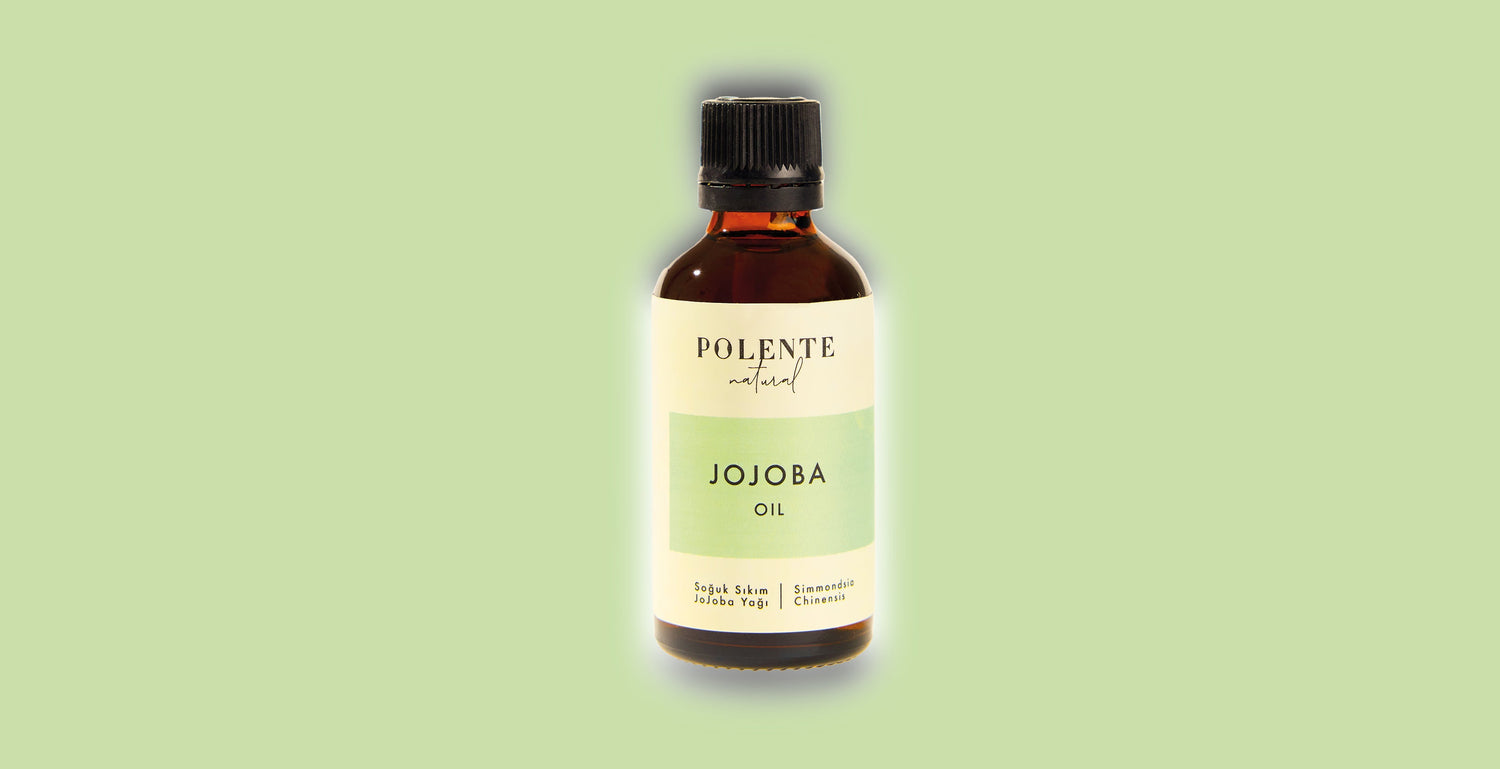
You can safely dilute the Ylang Ylang oil from Polente Natural's 100% pure essential oil collection with high-quality carrier oils such as cold-pressed Jojoba, Rosehip Seed, or Argan oil, also offered by our brand; thus creating your own natural beauty ritual with Polente's assurance.
Give your skin the value it deserves with entirely botanical formulas, free from synthetic perfumes and chemicals.
What to Consider When Using Ylang Ylang Oil?
-
Dilution is Essential: Ylang Ylang is a pure essential oil. It should never be applied directly (undiluted) to the skin. It must always be mixed with a carrier oil.
-
Perform a Patch Test: Before use, apply the diluted version to the inside of your wrist and wait 24 hours to check for any allergic reaction.
-
Do Not Exceed Dosage: Its scent is quite potent. Excessive use can cause headaches or nausea, so a small amount is sufficient.
-
Pregnancy and Breastfeeding: Its use is not recommended in the early months of pregnancy. Pregnant women, breastfeeding mothers, and those with chronic health conditions should consult a specialist before use.
-
Pets: Essential oils can be toxic to cats and dogs, so caution should be exercised when using diffusers in enclosed spaces where pets are present.
Conclusion

Ylang Ylang essential oil is one of nature's most delicate gifts to us, with its sebum-balancing properties, anti-aging effects, soul-soothing exotic scent, and support for feminine energy.
Adding a few drops of Ylang Ylang to your skincare routine and living space can transform your self-care time into a spa-like experience.
Don't forget to explore the Polente Natural collection to discover 100% pure and natural ingredients.
Frequently Asked Questions (FAQ)
Can Ylang Ylang oil be applied directly to the skin?
No. Ylang Ylang is a pure and concentrated essential oil. When used in skincare routines, it must always be diluted with a carrier oil such as jojoba, sweet almond, or argan oil before applying to the skin.
What is Ylang Ylang oil used for in hair care?
It adds natural shine and vitality to hair. Because it helps balance sebum (oil) production on the scalp, it supports a more well-groomed and radiant appearance for the hair.
What does Ylang Ylang oil smell like?
It has a very characteristic exotic, rich, sweet, floral, and slightly spicy undertone. Due to its captivating aroma, it is a popular "heart note" in the perfume industry.
How is Ylang Ylang oil used in aromatherapy?
With its pleasant and sweet scent, it can be used with a diffuser or oil burner to change the atmosphere of your environment. It is ideal for shedding the fatigue of the day and creating a relaxing ambiance in your living space.
Is Ylang Ylang oil among aphrodisiac scents?
Yes, thanks to its exotic, warm, and alluring scent, it is one of the popular oils frequently preferred in aromatherapy to create a romantic ambiance.
Is Ylang Ylang oil suitable for all skin types?
Yes, thanks to its cosmetic properties that support the skin's oil (sebum) balance, it can be safely used in the daily care routines of both dry and oily/combination skin types. It is always recommended to perform a small patch test on the wrist before trying any new cosmetic product.