What is cystic acne?
Summarize this Content with AI:
What is cystic acne? This is one of the most challenging questions many people face on their journey through skin health.
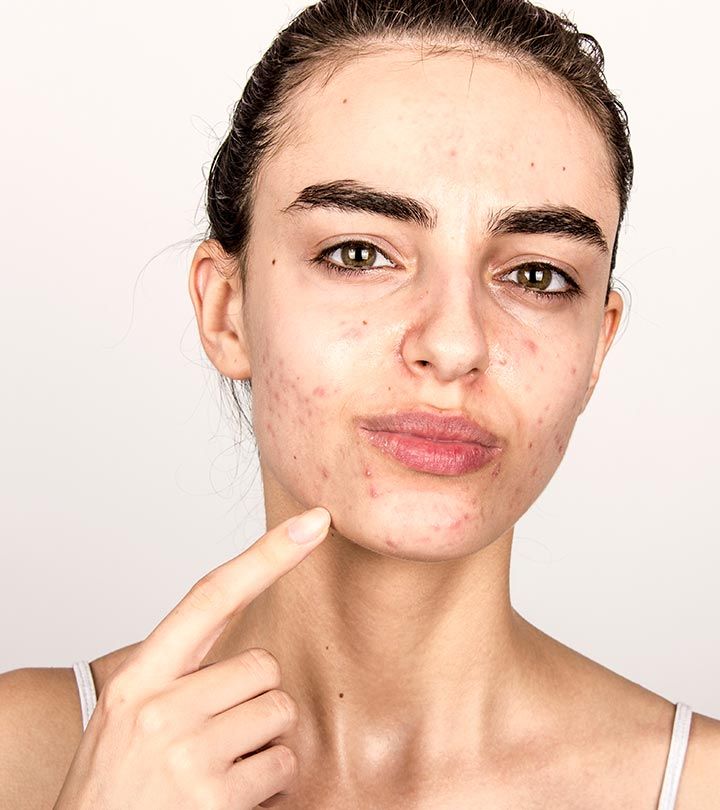
This type of acne, which forms in the deeper layers of the skin, is painful, inflamed, and often has the potential to leave scars. It is not just an aesthetic concern but also a skin problem that can affect a person's quality of life.
Cystic acne, considered the most severe type of acne, is much more than just a simple bump on the surface of the skin.
In this article, we will discuss what cystic acne is, its causes, how it differs from other types of acne, and how you can deal with this challenging skin problem, all from Polente Natural's nature-inspired perspective.
What are the differences between cystic acne and other types of acne?
When answering the question "What is cystic acne?" , it's important to know the characteristics that differentiate it from other types of acne.
While blackheads, whiteheads (comedones), or pustules usually form in the more superficial layers of the skin, cystic acne develops in the dermis, a much deeper layer of the skin.
-
Depth and Size: Cystic acne lesions are firm, painful nodules that can be felt under the skin and are about the size of a pea. Other acne lesions are generally smaller and closer to the surface.
-
Inflammation and Pain: Cysts are small sacs filled with inflammation and pus. Therefore, they cause intense inflammation in the surrounding tissue and can be quite painful to the touch.
-
Scarring Potential: Because they damage the deeper layers of the skin, cystic acne is much more likely than other types of acne to leave marks or permanent scar tissue after healing.
-
Structure: Cystic acne is often also called a "blind pimple" because it doesn't have a visible head on the surface. Inflammation accumulates in a capsule under the skin.
Where on the body do cystic acne form?
Cystic acne tends to appear in areas where sebaceous glands are most concentrated.
These areas are generally more affected by hormonal activity. The most common locations are:
-
Face: Particularly the jawline, cheeks, and forehead area.
-
Back and shoulders: Large pores and high oil production in these areas can create a breeding ground for cyst formation.
-
Chest: The décolleté area is also one of the areas where cystic acne is frequently seen.
-
Neck: It can be seen especially in the nape and sides of the neck.
What causes cystic acne?
The reasons behind the question "What is cystic acne?" are complex and multifaceted. It is usually not caused by a single factor.
The main triggers behind this deep infection, which occurs when hair follicles under the skin become clogged with oil (sebum), dead skin cells, and bacteria, are as follows:
-
Hormonal Changes: Fluctuations in hormones like androgens cause sebaceous glands to produce excessive sebum. This can trigger cystic acne, especially during periods such as puberty, menstrual cycles, pregnancy, and polycystic ovary syndrome (PCOS).
-
Genetic predisposition: People with a family history of cystic acne are more likely to develop this skin problem.
-
Bacterial Factors: The bacteria Propionibacterium acnes (P. acnes), which is naturally present on the skin, can multiply in clogged pores, leading to a severe inflammatory reaction.
-
Stress and Lifestyle: Intense stress can increase cortisol levels in the body, triggering fat production and exacerbating inflammation. Irregular sleep and poor eating habits can also weaken the skin's defense mechanisms.
What are the methods for preventing cystic acne formation?
If you have skin prone to cystic acne, while it's not always possible to completely prevent its formation, there are steps you can take to reduce its severity and frequency.
-
Gentle Skin Cleansing: It's important to cleanse the skin morning and evening with a gentle cleanser that doesn't contain harsh chemicals and doesn't disrupt the skin's natural oil balance. Over-drying the skin can worsen the problem by causing increased oil production.
-
Proper Hydration: Oily and acne-prone skin also needs hydration. Using water-based, non-comedogenic moisturizers helps maintain the skin's moisture barrier and protect it from damage.
-
Balanced Diet: Avoiding processed foods, sugar, and high glycemic index carbohydrates can help reduce inflammation. Consuming antioxidant-rich vegetables, fruits, and healthy fats supports skin health.
-
Stress Management: Stress-reducing activities like yoga, meditation, or regular exercise can help maintain hormonal balance and keep acne flare-ups under control.
How to get rid of cystic acne?
What is cystic acne , and how to deal with it requires patience and the right approach. Due to the deep structure of the cysts, superficial acne creams are often insufficient.
-
Never Squeeze: Trying to squeeze cystic pimples can spread the inflammation deeper, worsen the infection, and increase the risk of permanent scarring.
-
Seek Professional Help: Cystic acne is a serious skin condition that must be evaluated by a dermatologist. A specialist can recommend prescription topical products, oral medications, or other medical procedures tailored to your skin's needs.
-
Supportive Natural Oils: You can add some natural ingredients known for their anti-inflammatory and antibacterial properties to your skincare routine after consulting your doctor. Essential oils such as tea tree oil and lavender oil should be diluted with a carrier oil and tested on only a small area, not directly on the cyst. However, it should be remembered that they are not sufficient on their own to treat cystic acne.
-
Cold Compress: Applying ice wrapped in a clean cloth to the affected area for 10-15 minutes several times a day can provide temporary relief from swelling and pain.